
Reviewed · SCOTTISH CASTLES DAY TRIPS
Scottish Highlands 4-Day Castle Tour From Edinburgh
The cliff-top ruins of Dunnottar Castle and the solemn field at Culloden give this tour its real punch. Between them, you get royal palaces, grand tower houses, gardens, whisky, and some of Scotland’s finest country roads, all without changing hotels every night.
I like the 16-person mini-coach, which keeps the group small enough for a personal guide and easier castle visits. I also like the locally owned B&Bs, where the owners provide a more human stay than a standard chain hotel. The tradeoff is a full schedule, limited luggage, and some B&Bs located a 20 to 30 minute walk from pubs and restaurants.
Key points to know before booking
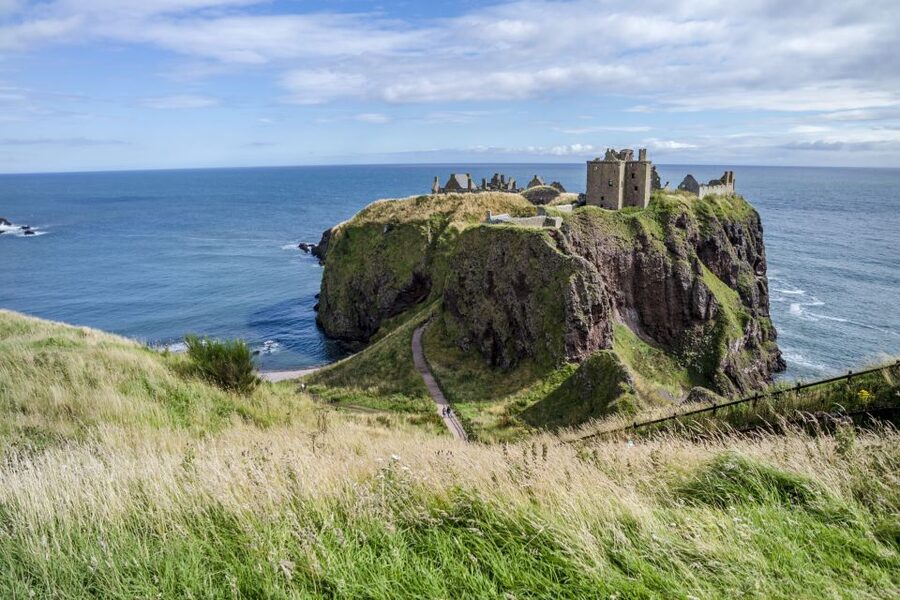
- Dunnottar Castle delivers the big view: The ruined fortress sits above the sea on a dramatic headland, with time for photographs and a look around the site.
- Six major castles are included: Falkland Palace, Castle Fraser, Crathes Castle, Fyvie Castle, Blair Castle, and the grounds and visitor areas at Dunnottar.
- Culloden adds emotional weight: The battlefield and visitor centre explain the Jacobite defeat and Britain’s last land-fought battle.
- Cardhu includes a whisky tasting: The distillery visit features a Flavour Journey tour and tasting in the Speyside region.
- Your overnight stops are Aberdeen and Nairn: You spend two nights in Aberdeen, then one night in Nairn.
- Pack light and pack for rain: Bring waterproof clothing, good walking shoes, and no more than 20 kilograms of luggage per person.
Why this four-day route works
This is not a tour for one famous castle and a few roadside photographs. It is a concentrated look at Scotland’s northern strongholds, from royal residences and family homes to military ruins and a battlefield.
The route also gives you several different kinds of castle experience. Falkland Palace is tied to the Scottish monarchy. Castle Fraser and Crathes Castle show how powerful families lived. Fyvie offers collections and interiors. Blair Castle adds formal gardens and a striking ballroom. Dunnottar is the pure drama of stone, sea, and ruined walls.
At $1,010 per person, the price is substantial. The value comes from the transport, driver-guide, three nights of bed and breakfast, six included castle or heritage admissions, Culloden access, and the Cardhu tasting. Meals and refreshments are extra, so you need to budget for lunches, dinners, and drinks along the way.
I would see this as a time-saving purchase rather than a cheap way to see Scotland. Driving this route yourself would mean arranging accommodation, navigating rural roads, paying separate admissions, and handling parking at several sites. The tour earns its price if you want the Highlands arranged for you and prefer a small group to a large coach.
More Scottish castle days from Edinburgh:
- Loch Lomond, Kelpies & Stirling Castle Tour Including Admission
★ 4.5 · 1,305 reviews - Edinburgh: Loch Lomond, Stirling Castle and the Kelpies Day Tour
★ 4.5 · 1,198 reviews - West Highlands, Lochs and Castles Day Tour Including Admission
★ 4.5 · 1,122 reviews
Day 1: Falkland Palace, St Andrews, and Dunnottar Castle
You leave Edinburgh and cross the Queensferry Crossing into Fife. The bridge crossing quickly moves you from the capital into a quieter part of Scotland, and the first major stop is Falkland Palace.
Falkland Palace began as a royal hunting lodge and became one of the Scottish monarchy’s favored residences. The most unusual detail is the tennis court associated with Mary Queen of Scots. It is described as the oldest tennis court in the world, giving the visit a memorable connection to royal recreation rather than only grand rooms and political stories.
The village itself is part of the appeal. Its medieval appearance was used for scenes in Outlander, so fans of the series will recognize some of the setting. Even if you are not interested in television locations, the village gives you a chance to walk beyond the palace walls and see how the site fits into an older town.
You then continue to St Andrews for lunch and time on your own. The town is known for its ancient university and cobblestone streets, so this is less of a formal guided attraction and more of a chance to set your own pace. You can use the stop for lunch, a short walk, or a closer look at the town’s old centre.
Remember that meals are not included. That gives you freedom to choose what you want, but it also means you need to keep an eye on time and your food budget during each stop.
The afternoon brings the tour’s first major visual surprise: Dunnottar Castle. The ruined fortress sits on a cliff above the sea, making it one of those places that looks almost unreal in photographs. Here, the setting matters as much as the masonry. The approach, the headland, and the open views make this an excellent stop for anyone who enjoys photography.
The site is also a reminder that Scottish castles were often chosen for defense, not comfort. Dunnottar’s position explains why it mattered. Expect uneven ground, steps, and exposed weather, so sturdy shoes and waterproof clothing are more useful here than stylish footwear.
You spend the night in Aberdeen. Since you return to Aberdeen for a second night, you avoid packing again after the first day. That small bit of routine helps on a tour with so many stops.
Day 2: Fraser and Crathes in Royal Deeside
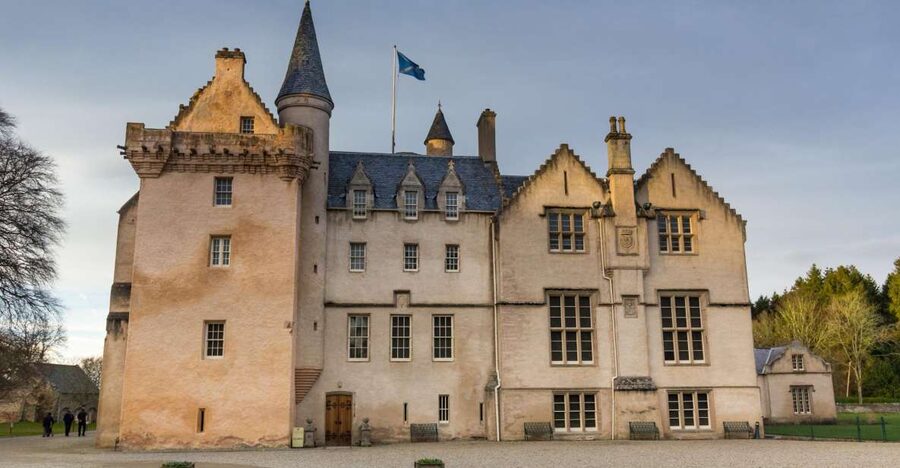
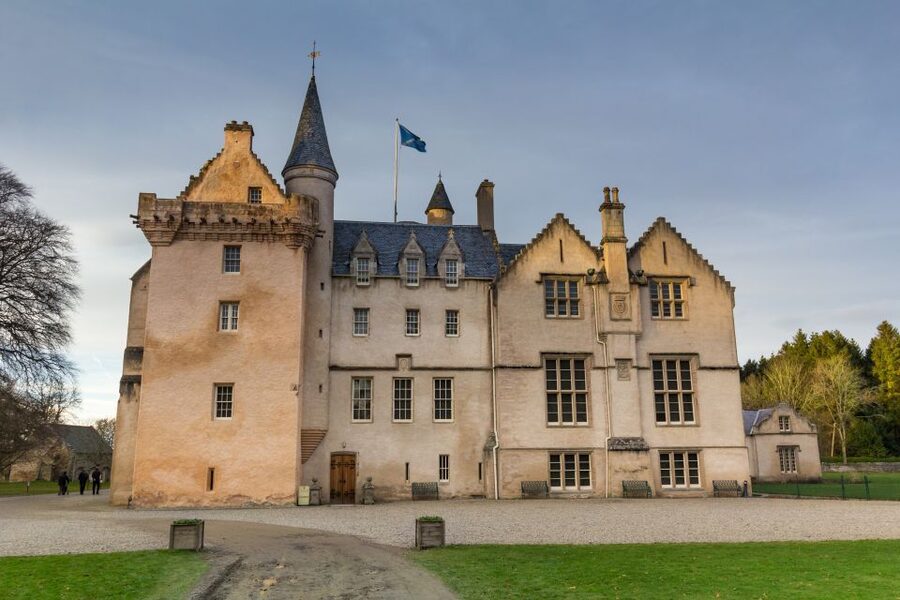
Day two focuses on Royal Deeside, an area associated with castles, estates, and the British royal family. Your first stop is Castle Fraser, a large Scottish tower house with a strong defensive look.
Castle Fraser is included in the tour price, along with its 18th-century walled garden. I like this combination because the garden gives you a quieter break after examining stone walls, stairways, and historic rooms. You are not simply moving from one interior to another. You get house, grounds, and time outdoors.
The castle visit suits you if you enjoy architecture and domestic details. Tower houses can seem severe from the outside, but walking through them helps you understand how Scottish families combined defense with daily life. The tour description does not promise a fixed length of time at each site, so your guide will manage the schedule based on the day’s conditions.
Lunch is in Ballater, a village with royal associations. This is another meal stop rather than an included meal, so plan to pay separately. Ballater gives you a useful pause between castle visits and a chance to buy something for the road if you need it.
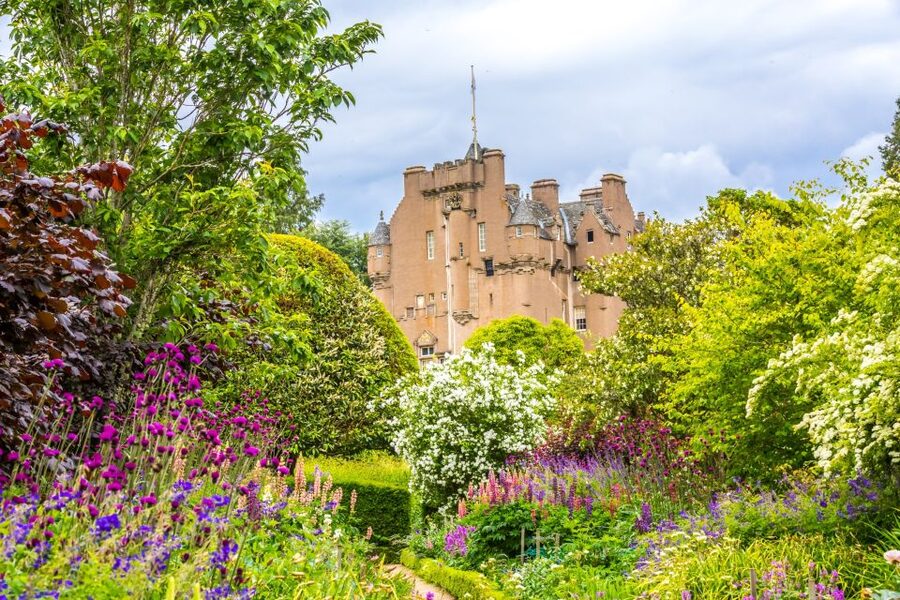
In the afternoon, you visit Crathes Castle. The building has the fairy-tale appearance many people expect from a Scottish castle, but the appeal is not only visual. Crathes is also linked with mysterious and haunted tales, which add a darker edge to the visit without replacing the architectural and garden interest.
You have time to explore the house and gardens freely. The gardens are particularly useful for breaking up the indoor sightseeing. The June Borders are noted for views toward the castle, so if your visit falls in that season, look for the areas where the planting frames the building.
This day is a good example of why the tour works better for some people than a simple city break. You see castles in their rural setting, not just as isolated buildings in a town. The drawback is that the day has several separate stops, so you will need to keep moving and may not get unlimited time at any one house.
You return to Aberdeen for a second night. The accommodation is in small, locally owned guesthouses and B&Bs, with en suite rooms. These properties can offer a more personal welcome, and the owners are described as attentive, but they may not have lifts. Tell the operator in advance if stairs are difficult for you.
Day 3: Fyvie Castle, Elgin Cathedral, and Culloden
Fyvie Castle opens the third day with a very different mood. It dates to the 13th century and contains a collection of arms, armor, and 17th-century tapestries. This stop should appeal to you if you prefer castle interiors with objects to examine rather than ruins and views alone.
The collection also helps put the building’s long use into context. Fyvie was not built for one short period and then abandoned. Its changing rooms and contents reflect generations of ownership and changing ideas about comfort, defense, and display.
The route continues through northern countryside to Elgin for lunch. As with the other meal stops, you pay for your own food. Elgin is also the setting for the next visit, the ruined Elgin Cathedral.
The cathedral is known for an intricately carved Pictish stone. That detail gives the stop a different cultural focus from the castles. You are looking at early carved stone and church remains rather than royal rooms, family collections, or military walls.
The afternoon visit to Culloden is the emotional centre of the tour. The battlefield marks the defeat of the Jacobite Rising and the last battle fought on British soil. You have access to the Culloden Visitor Centre, museum, and battlefield, so this is more than a brief roadside stop.
Culloden asks for a slower kind of attention. The ground may appear quiet, but the visitor centre explains the battle and its consequences, while the field gives you a physical sense of the place where the fighting ended. I find this stop valuable because it moves the tour beyond picturesque castles and into the human cost of political conflict.
You continue to Nairn for the night. After two nights in Aberdeen, this change gives you a new base before the return south. The overnight B&Bs are locally owned and all rooms are en suite, but you should be prepared for the possibility that your accommodation is outside the centre. A 20 to 30 minute walk to restaurants or pubs may be part of the evening.
More Highlands days out of Edinburgh:
- Edinburgh: Loch Ness, Glencoe & the Scottish Highlands Tour
★ 4.6 · 17,446 reviews - From Edinburgh: Loch Ness, Glencoe & Scottish Highlands Tour
★ 4.7 · 11,381 reviews - Loch Ness, Scottish Highlands, Glencoe and Pitlochry Tour
★ 5.0 · 6,854 reviews - Loch Ness & Highlands Small-Group Tour from Edinburgh with Cruise
★ 4.5 · 6,022 reviews
Day 4: Cardhu whisky and Blair Castle
The final day takes you south through Scotland’s country roads, with Cardhu as the main tasting stop. Cardhu is associated with Helen Cumming, a pioneering woman in whisky production, and the visit includes a Flavour Journey tour and tasting.
This is a useful inclusion for anyone who wants more than a quick dram at a pub. The tour gives you a look at the distillery experience, while the tasting adds a local product to a route otherwise dominated by castles and battlefields. You do not need to be a whisky expert to enjoy the stop, but you should know that the distillery visit and the wider itinerary can change.
A quick stop at Ruthven Barracks follows the drive through Kingussie. This is not presented as a full castle visit with a separate admission, so think of it as a brief historical and photographic pause. It adds a military note to the final day without taking over the schedule.
Blair Castle is the day’s main attraction. The castle has a long political and family story, but one of its most memorable features is the ballroom decorated with 175 antlers. That is exactly the sort of odd, specific detail you remember after a busy tour.
The nine-acre Georgian garden gives you room to walk outside, and lunch is available during the stop, though you pay for it yourself. Blair works well late in the trip because it combines interiors, a striking display, gardens, and time for food.
The return route passes through the wooded countryside of Perthshire, with pauses in picturesque towns before you cross the Firth of Forth and return to Edinburgh. Arrival is expected at about 18:30, though road conditions and the day’s schedule can affect timing. Do not book a tight evening connection from Edinburgh.
The mini-coach, group size, and daily pace
Transport is by a luxury 16-seat Mercedes mini-coach. A group of up to 16 people is a useful middle ground. You get more social contact than in a private car, but the group is small enough for the guide to communicate clearly and for stops to feel less anonymous.
Your driver is also your English-speaking guide. That arrangement keeps the tour moving and means you do not have to manage directions, parking, or rural roads. It also means the quality of the day depends partly on how well the guide handles timing, stories, and practical instructions. No individual guide names are provided, so you should not expect to request a particular person.
The pace is active. You visit multiple castles, gardens, a cathedral, a battlefield, a distillery, and several towns in four days. You need comfortable shoes, practical clothing, and waterproof layers. Scotland’s weather can change quickly, and several stops include outdoor paths and exposed viewpoints.
The luggage rule is strict: 20 kilograms per person, with one piece similar to a small airline carry-on, about 55 by 45 by 25 centimetres, plus a small onboard bag. Pack with care. This is not the right tour for a large suitcase or a different outfit for every dinner.
Children under five are not accepted, and anyone under 18 must travel with an adult. The tour is best suited to adults and older children who can handle long sightseeing days, walking, and a fairly fixed schedule.
Accommodation and the real cost of the trip
The three nights are in small guesthouses and B&Bs, with en suite rooms. The strongest practical benefit is the local feel and the personal attention that comes with owner-run accommodation. The main compromise is consistency. These are not described as luxury hotels, and facilities such as lifts are not available in these types of properties.
Some B&Bs are on the outskirts of town. You may need a 20 to 30 minute walk to reach a pub or restaurant, so consider this when deciding if the tour suits you. If stairs or evening walks are a problem, tell the operator before you travel.
The $1,010 price includes the expensive, useful parts: transport, guide, lodging, castle admissions, Culloden, and the Cardhu experience. You still pay for meals and refreshments, so set aside extra money for four days of lunches, dinners, and drinks.
Free cancellation is available up to 14 days before departure for a full refund. Meeting points can vary by booking option, and starting times should be checked for your chosen date.
Should you book this Scottish castle tour?
Book it if you want a well-packed Highlands route without driving, planning several hotels, or working out separate admission fees. It suits castle fans, whisky drinkers, history enthusiasts, photographers, and anyone who prefers a small group to a large bus.
Think twice if you want slow mornings, long stays at one castle, included meals, or a spacious hotel room in the centre of town. The route covers a lot of ground, and the weather, stairs, walking, and luggage limit are real considerations.
For the right person, the mix is strong: Falkland’s royal connection, Dunnottar’s sea cliffs, Fraser and Crathes gardens, Fyvie’s collections, Culloden’s sobering story, Cardhu whisky, and Blair’s antler-filled ballroom. Pack light, wear waterproof shoes, and treat the $1,010 as the cost of convenience, access, and a carefully connected four-day route.
FAQ
How long is the Scottish Highlands castle tour?
The tour lasts four days and returns to Edinburgh at approximately 18:30 on day four.
Where does the tour begin and end?
It begins in Edinburgh and returns to Edinburgh. The exact meeting point can vary depending on the option booked.
How many people can join the tour?
The group is limited to 16 participants, and transport is provided in a 16-seat Mercedes mini-coach.
What language is the tour conducted in?
The live tour guide speaks English, and the tour is offered in English.
Which castles are included?
Included castle visits are Falkland Palace, Castle Fraser, Crathes Castle, Fyvie Castle, and Blair Castle and Garden. Dunnottar Castle is also visited during the route.
Is Culloden included?
Yes. Admission includes the Culloden Visitor Centre, Museum, and Battlefield.
Is whisky tasting included?
Yes. The Cardhu visit includes a Flavour Journey tour and tasting. Distillery visits can change as part of the itinerary.
Are meals included?
No. Meals and refreshments are not included, so you pay separately for food and drinks during the tour.
Where do you stay overnight?
You spend two nights in Aberdeen and one night in Nairn. Accommodation is in small locally owned guesthouses and B&Bs, with en suite rooms.
How much luggage can you bring?
You may bring up to 20 kilograms per person. This should be one piece similar to an airline carry-on, approximately 55 by 45 by 25 centimetres, plus a small personal bag for the mini-coach.
Is the tour suitable for young children?
Children under five are not accepted. Anyone under 18 must be accompanied by an adult.
What should you bring?
Bring comfortable shoes, comfortable clothing, waterproof clothing, and footwear suitable for walking.
More 4-Day Experiences in Edinburgh
- 4-Day Isle of Skye and Highlands Small-Group Tour from Edinburgh
★ 5.0 · 200 reviews - 4 Day Islay Whisky Tour from Edinburgh
★ 5.0 · 148 reviews - From Edinburgh: Isle of Skye and Hogwarts Express 4-Day Trip
★ 4.8 · 142 reviews - Isle of Skye and West Highlands: 4-Day Tour from Edinburgh
★ 4.9 · 98 reviews
More Multi-Day Trips from Edinburgh
- From Edinburgh: 3-Day Isle of Skye and The Highlands Tour
★ 4.8 · 2,405 reviews - 3-Day Isle of Skye Inverness Highlands and Glenfinnan Viaduct Tour from Edinburgh
★ 5.0 · 1,351 reviews - 3-Day Isle of Skye and Scottish Highlands from Edinburgh
★ 5.0 · 1,276 reviews - 3 Day Isle of Skye and Scottish Highlands from Edinburgh
★ 5.0 · 1,138 reviews
Just added around Edinburgh
- Whisky Tasting at Edinburgh’s Award Winning Whiski Rooms★ 5.0 · 5 reviews
- Edinburgh: West Highlands Privately Guided Day Tour in Luxury MPV★ 5.0 · 10 reviews
- From Edinburgh: 5 Day Best of Northern England Tour★ 5.0 · 5 reviews
- Highlights from Edinburgh’s Old Town: A Self-Guided Audio Tour★ 5.0 · 4 reviews
- West Coast Lochs & Castles Tour – from Edinburgh★ 5.0 · 21 reviews
- Edinburgh Experience By Car★ 5.0 · 5 reviews
- Private Edinburgh City Tour★ 4.5 · 10 reviews
- Shore Excursion: Private Braveheart & Whisky country from Edinburgh★ 5.0 · 3 reviews
Scottish Castles Day Trips, compared.
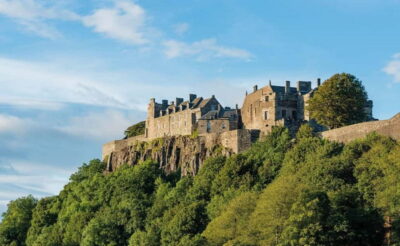
Loch Lomond, Stirling Castle and the Kelpies Day Tour
Read our review →
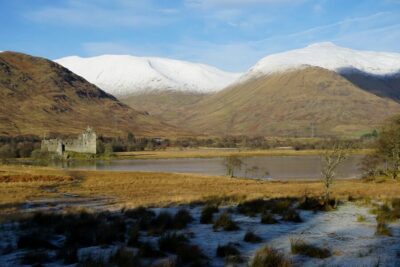
West Highlands, Lochs and Castles Day Tour Including Admission
Read our review →
1 Day Castles, West Highlands and Loch Lomond Tour from Edinburgh
Read our review →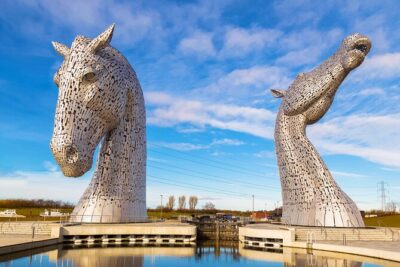
Browse the lists this tour appears in